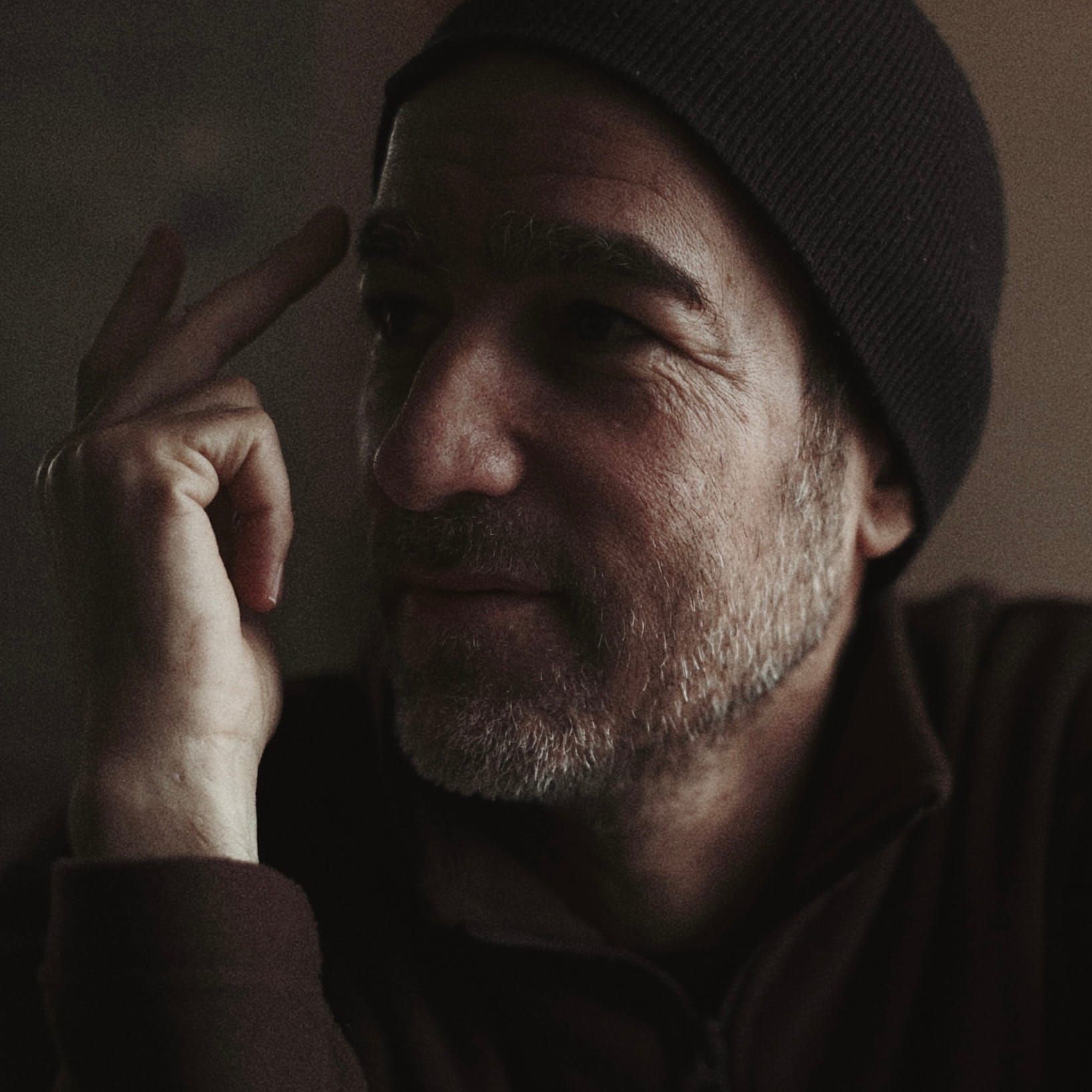
I left school at 14. Built houses by 26. Co-founded and led a global tech company for a decade, then left when success became a creative jail. In 2018 I moved to Korea, with no language, for ten years of consciousness and creativity research. One question, really: what is genuinely new, and how does it emerge?
The history, briefly:
- Builder. Houses, in Israel, until 26.
- Research management. Tel Aviv University, the Technion, and CERN's inter-university EGEE project in Israel: the bridge between university labs and industry.
- Mantis Vision (2005-2014). Co-founded; CEO for about ten years. Our 3D sensing became the core of Google's Project Tango. In June 2014 we raised a $12.5M strategic round from mobile-focused investors: Qualcomm Ventures, Samsung, Flextronics' Lab IX, and Sunny Optical. Cumulative funding for the company, counting the rounds that came after me, is reported at about $77M.
- Aspen Global Leadership Network. 2009 inaugural MELI class fellow.
- Jeonju (late 2018 to now). With Daeun, wife and co-founder. Eight years in: self-funded, full time. I write every day; I play piano every day. Published as it happens, in the links below. Not a hobby next to the work, but the laboratory where the work happened.
- This site (July 2025 to now). The research journal: dated working notes in my own idiom, written for discovery, not persuasion. Dead ends stay published; the trail is the work.
- Formation Trail. Generative AI made my private question everyone's: when machines can produce everything already known, what stays human? Formation Trail is my working answer — an open-source AI-agent plugin. Every session moves through five phases, each transition gated by a question only I can answer; the AI works at full strength inside its role, but it never hands me my question or certifies my judgment. What's left: a dated trail of who originated what, kept on my own machine. Nine lines, 217 bytes, frozen — in development, in the open, on GitHub. Its first stranger, an engineer and street dancer, used an earlier form to find his own choreography.
- Cell41
Elsewhere: Substack · Medium · YouTube · Instagram · GitHub · X · Grokipedia
Amihai Loven, Jeonju
I never left entrepreneurship or disruptive innovation. What changed was what moved me.
Success, money, and results gradually gave way to a question that kept deepening within my creative space. Eventually, the question was about that space itself.
I saw how knowledge and imagination could drive creativity endlessly, whether in a human being or a machine. Yet something else drew my attention: starting from not knowing. An insight arriving unexpectedly, revealing another depth of the question, opening a direction I could not have planned.
I came to call this free creative flow. A movement with its own intelligence, whose direction becomes apparent as it unfolds.
Over time, I used other names: infinite zero, aimless openness. Each was an attempt to point toward something I could not adequately describe through knowledge, expertise, skill, or imagination.
My inquiry became whether thought could take its right place, allowing this openness to remain alive.
Perhaps then, an entirely new field of exploration becomes possible.
That possibility is something each of us must discover for ourselves. An explanation cannot give it to us. A method cannot guarantee it. Even these words can only invite the question.
The arrival of AI brings a new urgency to that inquiry.
I don’t know what happens if AI can do everything thought can do, and do it better.
I don’t know whether we should let AI determine the questions that initiate our research, innovation, and advancement.
I don’t know what the place of a human being becomes in a world increasingly shaped by artificial intelligence.
I don’t know what education might become, or how much it will resemble what we have called education until now.
I don’t know how to work with AI without becoming an operator within its intelligence.
I don’t know. So I question.
I leave room for the question to deepen, including room for it to change. Perhaps, through that exploration, something new can come into being—in me, and through me, in the world.
And this possibility concerns you as much as it concerns me. You can explore it for yourself. You can find out whether there is truth in it.
Cell41 grew from this inquiry.
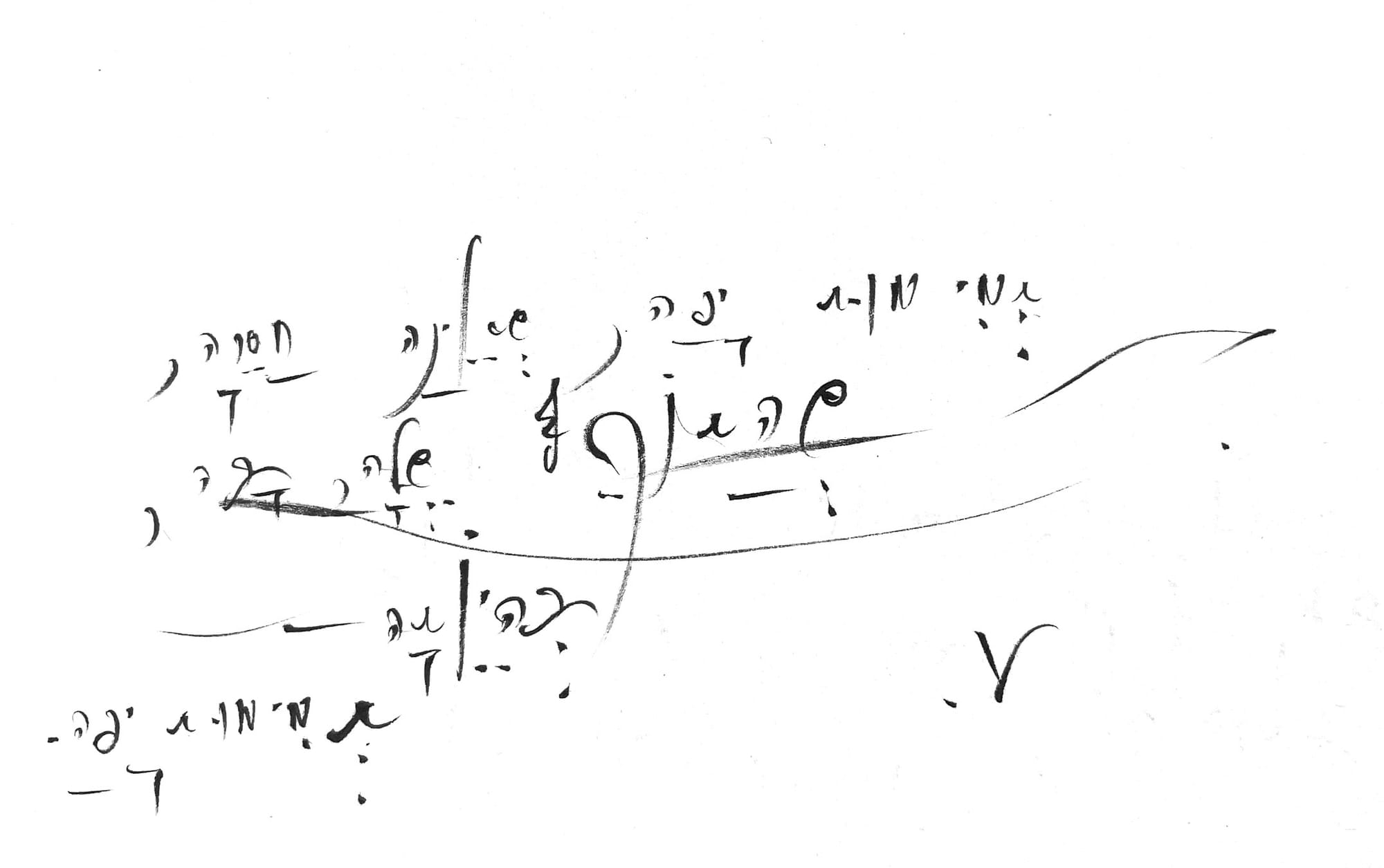
First came a language that established principles for the relationship between human and AI, and gave those principles practical expression in co-creation. You are welcome to learn that language and discover where it is useful—with AI, and perhaps beyond that relationship.
Cell41 brings it into a living journal, available on your phone or computer.
The AI carries the heavy work of structure, supporting continuity as your exploration unfolds. You can return to the question, deepen it, and allow its direction to emerge without deciding its destination in advance.
The language can be learned. The journal can accompany you.
What you discover remains yours to find out.
—Amihai Loven